


Chrysler once stood beside Ford and GM as one of America’s “Big Three” automakers. Today, it sells a single minivan. That gap has fueled a wave of YouTube videos and blog posts declaring the brand officially dead — but the reality is more complicated than the headlines suggest.
This article covers whether Chrysler is actually shutting down, how it ended up with a one-vehicle lineup, what Stellantis and Chrysler’s own executives have said publicly, and what new products are planned. The goal is to give you a clear, fact-based answer — not clickbait.
Chrysler Is Not Going Out of Business — But It Is in Serious Trouble
Let’s answer the main question directly: Chrysler is not being shut down. It is a struggling brand, but it has not been officially discontinued or scheduled for closure.
Chrysler brand CEO Christine Feuell has said it plainly: “Chrysler brand is here to stay… it is not on the table for elimination, and it has a very bright future.” That’s not vague corporate spin — it’s a direct statement from the person running the brand.
Stellantis, the parent company that owns Chrysler, has also stated publicly that none of its brands are for sale or being eliminated. These are on-record positions from official sources, not speculation.
It also helps to understand a key distinction. The old Chrysler Corporation — the standalone American company — no longer exists. It was absorbed through mergers and restructuring over the years. But the Chrysler brand still exists as a vehicle nameplate inside Stellantis, just like Buick lives inside GM or Mini lives inside BMW. When people say “Chrysler went out of business,” they’re often confusing the old corporate structure with the brand that still sells cars today.
How Chrysler Went From a Full-Line Automaker to One Minivan
To understand why so many people think Chrysler is dead, you need to understand how far it has fallen.
Decades ago, Chrysler was a genuine full-line automaker. It sold sedans, SUVs, sports cars, and trucks. It built iconic vehicles and competed directly with Ford and GM across every major segment.
Then came a long series of body blows. The Daimler merger. Then the Fiat merger. Then a bankruptcy in 2009. Each transition left the brand smaller and less independent. By the time Stellantis was formed, Chrysler had become a minor nameplate in a large global group rather than a major player in its own right.
The numbers tell the story. U.S. Chrysler sales have dropped roughly 80% over the past two decades. That means the brand now sells approximately one-fifth of what it once did. Think of a department store that used to stock every floor with merchandise — and now only has one product aisle left open. Still operating, but barely recognizable.
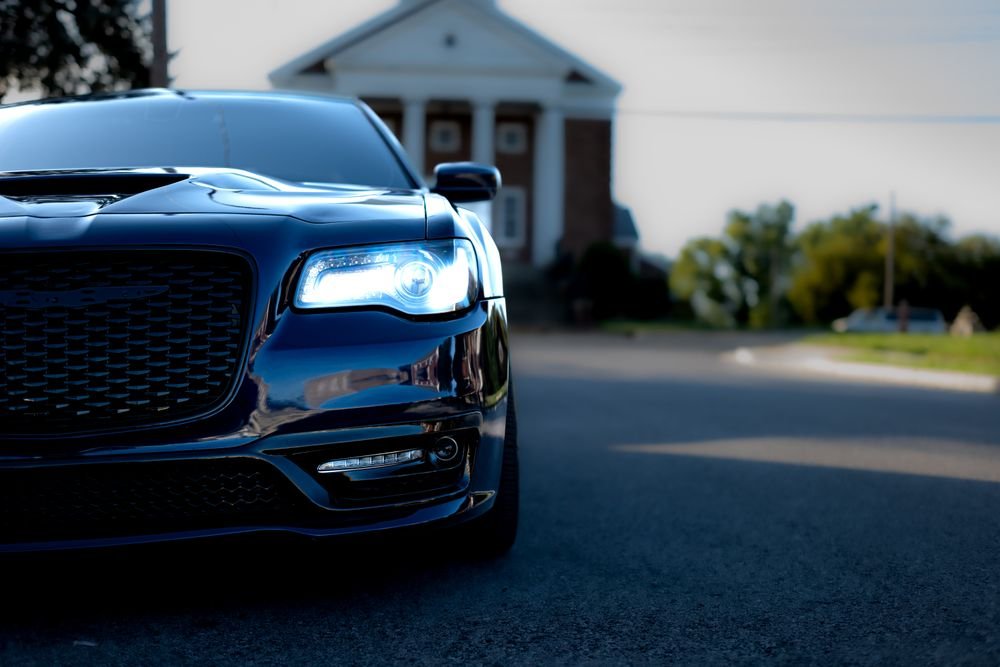
The final blow to the old lineup came in December 2023, when Chrysler 300 production ended. The 300 was the brand’s last traditional sedan and a symbol of its former identity. With that gone, only the Pacifica minivan remains in U.S. showrooms — along with the fleet-focused Voyager, which is essentially the same vehicle at a lower price point.
That’s the current reality: one consumer vehicle, sold through a dealer network, backed by a large multinational corporation. Not dead, but not healthy either.
Where the “Chrysler Is Dead” Rumor Comes From
If you’ve seen alarming headlines about Chrysler shutting down, here’s where they’re coming from — and why you should be skeptical.
Several YouTube channels and dealership blogs have claimed that Chrysler — and sometimes Dodge, Jeep, and Ram along with it — are “officially out of business.” These claims are not supported by any official Stellantis statement or credible business reporting. They’re commentary, not news.
Some blog content has even predicted a specific Chrysler shutdown date around 2030. No official source has confirmed anything like this. It appears to be speculation dressed up as reporting.
Part of the confusion comes from real events being misread. Stellantis has gone through workforce reductions and restructuring in recent years. That kind of news — layoffs, plant closures, model cuts — feeds “going out of business” narratives even when the brands themselves aren’t being closed.
It’s worth comparing this to what an actual brand shutdown looks like. When Ford eliminated Mercury, and when GM eliminated Pontiac and Saturn, those brands stopped getting new models. No future vehicles were announced. No product investments were made. The pipeline ran dry.
Chrysler is in a different position. It has announced multiple upcoming vehicles. A brand with new product launches on the calendar is not a brand being quietly put to sleep.
New Chrysler Models Planned for 2026 and Beyond
The clearest evidence that Chrysler isn’t being shut down is what’s actually coming to market. The brand has announced at least three new vehicles, with launches targeting 2026.
A New Large Crossover SUV
Chrysler is working on a D-segment crossover built on Stellantis’ STLA Large platform. It will be offered in hybrid, gas, and full EV versions. The reveal is expected around late 2025, with production starting in 2026. This would give Chrysler its first new model in years and its first serious entry in the SUV segment since the brand was gutted.
A Refreshed Pacifica
The Pacifica minivan is also getting a significant update in 2026. The refresh includes an updated design and an improved plug-in hybrid powertrain. This matters because the Pacifica has been Chrysler’s lifeline — keeping it competitive in the minivan segment has been the only thing keeping the brand visible at all.
An Electric Minivan and Additional Models
Chrysler has outlined plans for a full EV version of the Pacifica that would retain the Pacifica name. The broader roadmap calls for new models rolling out yearly through the end of the decade. There’s even discussion of a new sedan — possibly a revival of the Chrysler 300 name. These are announced plans, not guarantees, but they represent real product investment.
New Stellantis CEO Antonio Filosa has also expressed direct support for the Chrysler brand, which matters because brand survival inside a large automaker group often comes down to whether leadership is willing to fund product development. Right now, the signals from the top are positive.
What This Means If You’re Buying or Servicing a Chrysler Today
If you own a Chrysler Pacifica or are considering buying one, the brand’s thin lineup shouldn’t be the deciding factor. Here’s the practical reality.
The Pacifica is backed by the full Stellantis dealer and parts network. Even if the Chrysler brand were eventually reduced or repositioned in the future — which is possible but not confirmed — Stellantis would almost certainly continue supporting existing vehicles. That’s standard industry practice. When GM killed Pontiac and Saturn, owners still had access to parts and service for years afterward. Chrysler buyers today are in a similar position.
The risk worth paying attention to isn’t whether Chrysler exists — it’s whether the brand executes on its product plans. A roadmap with three new models sounds promising. But Stellantis has a history of delays. The first new crossover was originally targeted for 2025 and has already been pushed to 2026. That’s not a disaster, but it’s a pattern worth watching.
For entrepreneurs and managers tracking this space — whether you’re in automotive retail, fleet procurement, or adjacent industries — the practical takeaway is this: Chrysler is a brand on probation, not one on death row. The difference matters for business decisions.
If you want clear, practical coverage of business trends and corporate strategy, Cozmo Business covers topics like this without the noise.
The Bottom Line
Chrysler is genuinely struggling. An 80% sales decline over two decades, a single-vehicle lineup, and years of corporate turbulence have left the brand a fraction of what it once was. That decline is real and well-documented.
But “struggling” is not the same as “gone.” Chrysler’s CEO has stated on the record that the brand is staying. Stellantis has committed to new product investment. Three new vehicles are in development, with launches expected in 2026. None of that matches the pattern of a brand being quietly wound down.
The YouTube videos claiming Chrysler is officially out of business are not backed by facts. They’re built on real anxiety about a brand in decline, packaged as alarming news. The actual situation is more complicated — and more honest — than that.
Chrysler’s future depends on execution. If the 2026 models launch on schedule and find buyers, the brand has a path forward. If the product plan stalls again or sales continue to fall, the pressure on Stellantis to make harder decisions will grow. That’s the real story to watch.
Read Also: